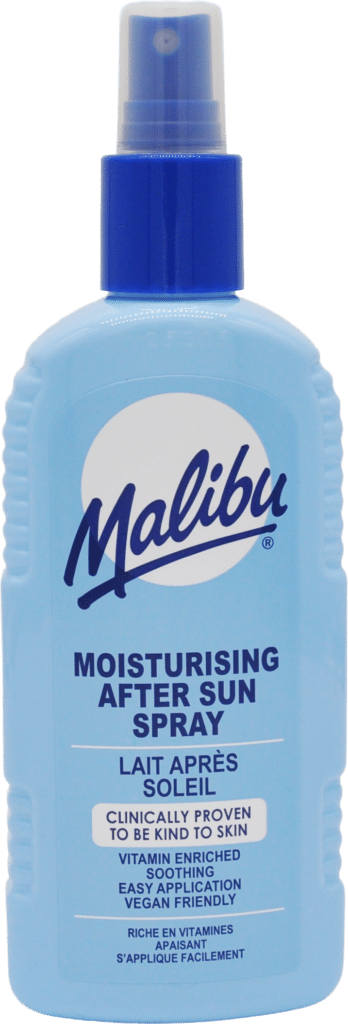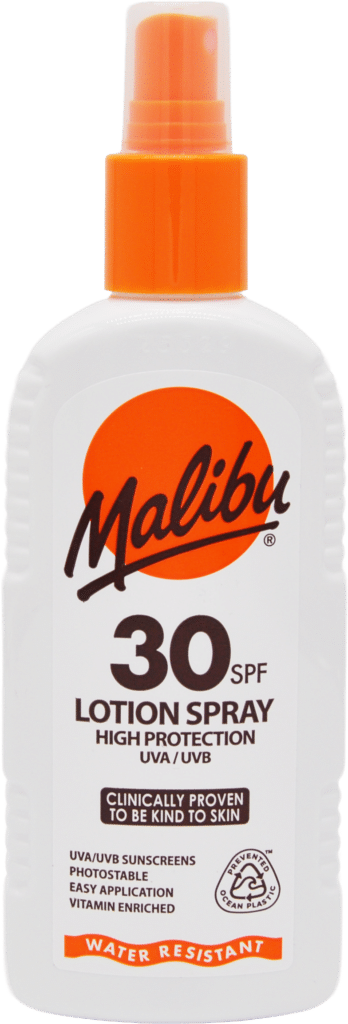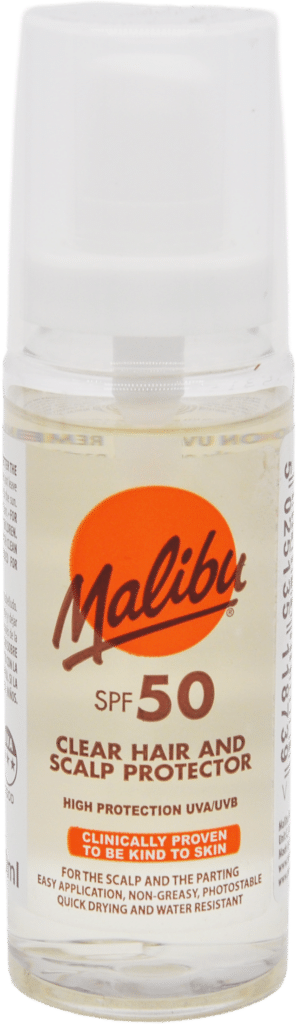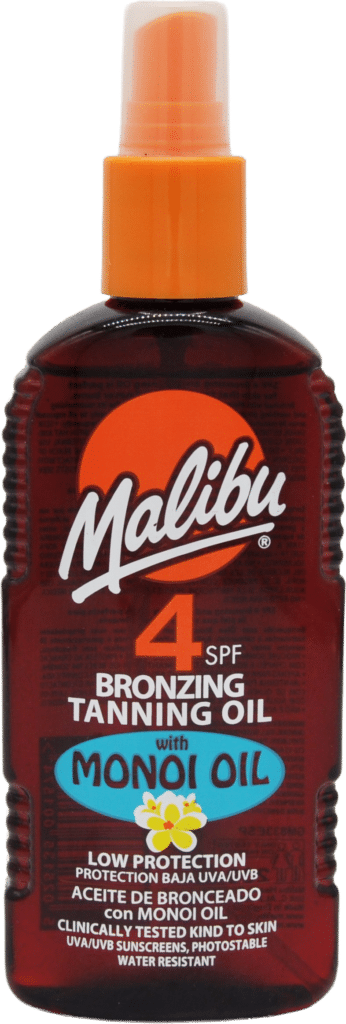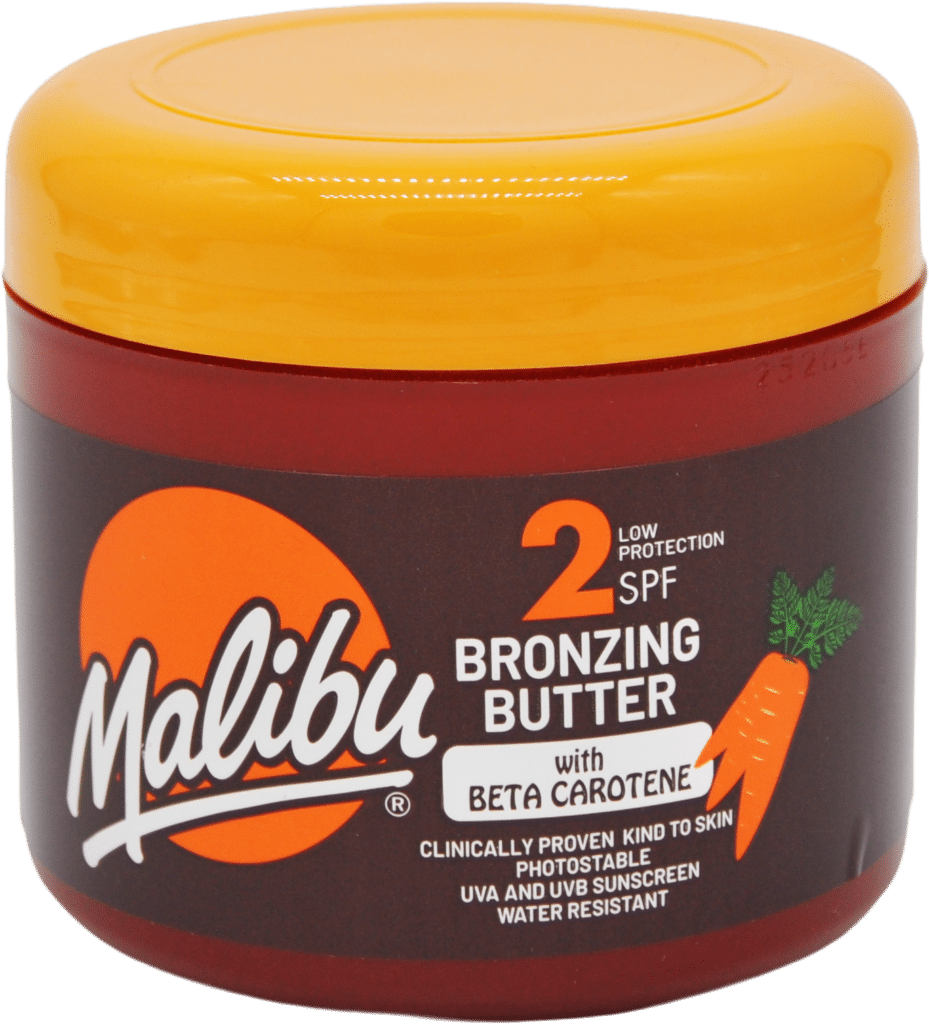

The number on the bottle. You’ve seen it a thousand times – SPF 15, SPF 30, SPF 50. You probably have a rough instinct for which one to grab. But do you actually know what the difference is?
Here’s the plain English version.
What Does SPF Actually Mean?
SPF stands for Sun Protection Factor. The number tells you how much of the sun’s UVB radiation – the kind that causes sunburn – the product filters out before it reaches your skin.
The breakdown looks like this:
- SPF 15 filters around 93% of UVB rays
- SPF 30 filters around 97% of UVB rays
- SPF 50 filters around 98% of UVB rays
Here’s the thing most people don’t realise: the jump from SPF 30 to SPF 50 is smaller than it looks. Going from SPF 15 to SPF 30, though? That’s a meaningful difference – especially if you burn easily or you’re going to be out for a long time.
So Which SPF Do I Actually Need?
It depends on a few things: your skin type, how long you’re planning to be outside, and what you’re doing.
SPF 50 or 50+ is the right choice if you burn easily, have fair or sensitive skin, you’re going to be out all day, or you’re near water or snow (both reflect UV and increase exposure). It’s also the right choice for children – always.
SPF 30 is a solid everyday choice for most skin types on a typical British summer day. It gives strong protection without feeling heavy, and it’s the minimum recommended by Cancer Research UK for sun exposure.
SPF 15 suits lower-risk situations – limited sun exposure, darker skin tones, or days where you’re mostly in the shade. It’s not a substitute for higher protection during long outdoor days.
What About UVA?
You’ll also see UVA ratings on packaging – often shown as star ratings (1-5) in the UK. UVA rays are the ones responsible for longer-term skin ageing and damage. They’re present year-round and can even penetrate glass. A good sunscreen protects against both UVA and UVB – ook for ‘broad spectrum’ on the label, which confirms protection against both UVA and UVB rays alongside your SPF.
The Rule That Matters More Than the Number
Whatever SPF you choose, apply enough of it and reapply regularly. Most people use less than half the amount they should – and that effectively halves your protection regardless of the SPF on the label. Reapply every two hours, and immediately after swimming or towel drying.
The best SPF is the one you actually use properly.
Find Your SPF With Malibu Match
Not sure which product is right for you? Try the Malibu Match quiz and get a personalised recommendation in under a minute.